Narrow Stairs in Leyton? Specialist Man with Van Help
Posted on 02/06/2026
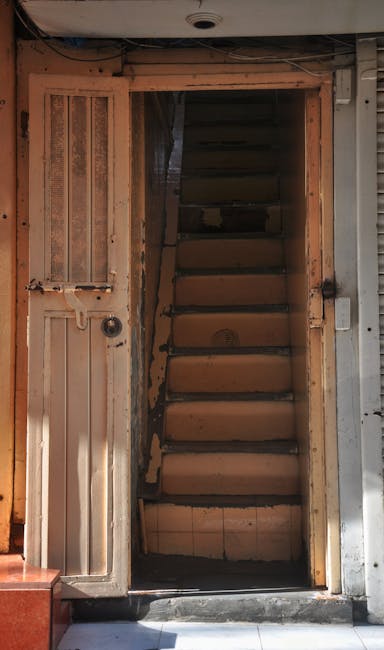
Moving through a tight staircase can turn a simple day into a bit of a headache. If you live in Leyton and you are staring at a hallway that feels too narrow for a sofa, mattress, wardrobe, or even a washing machine, you are not imagining it. Narrow stairs change everything: how items are carried, how many people are needed, what can be dismantled, and whether a move stays calm or becomes one of those stressful afternoons you never quite forget.
This guide explains how Narrow Stairs in Leyton? Specialist Man with Van Help works in practice, what makes it different from a standard move, and how to prepare so your belongings get out safely without unnecessary drama. We will also cover the mistakes people make, when specialist lifting is worth it, and how to judge whether you need a full removals team or a more flexible man with a van in Leyton. Simple answer? If access is awkward, planning matters more than brute force. Always.

Why Narrow Stairs in Leyton? Specialist Man with Van Help Matters
Narrow stairs are one of those access issues that look manageable until the first awkward turn. In Leyton, as in many London areas, homes and flats often have compact staircases, sharp landings, low ceilings, or tight entrance halls. That creates real complications for moving furniture and appliances, especially if the item is heavy, bulky, or fragile.
The main issue is not just width. It is the whole movement path. A sofa may fit at the top but snag on the bend. A bed frame may clear the stairwell but catch on a banister. A fridge may be light enough with two people, yet still impossible to pivot safely in a cramped hall. This is where specialist help makes a genuine difference. You are not paying for random muscle. You are paying for judgement, pacing, and the ability to make a move work in a confined space.
In our experience, the jobs that go smoothly are the ones where someone has already asked the awkward questions: Can the wardrobe be split down? Does the mattress need a protective cover? Is there room to turn on the first landing? That sounds basic, but it is often the difference between a tidy move and a scratched wall. To be fair, it is rarely the stairs themselves that cause the biggest problem. It is the corners.
If your home is a flat, a maisonette, or a terrace with a tight staircase, you may also benefit from looking at flat removals in Leyton or the wider removals service in Leyton. Those pages matter because the access challenge often shapes the whole move, not just one piece of furniture.
How Narrow Stairs in Leyton? Specialist Man with Van Help Works
Specialist man with van help for narrow stairs usually starts before anyone touches a box. That is the sensible bit, and frankly it is where a lot of value sits. A good team will assess access first: staircase width, headroom, turning space, parking distance, and whether there are awkward features like rails, boxy landings, or a door that opens into the route.
From there, they decide the safest approach. Sometimes items are carried in one piece. Sometimes they are partially dismantled. Sometimes they are wrapped and moved at an angle with two people guiding and one person spotting. If the item is especially awkward, the team may use lifting straps, furniture blankets, trolleys for ground-level movement, or protective coverings for walls and banisters. You will often hear moving crews talk about "the line of travel." That just means the route the item will follow, and with narrow stairs, every inch counts.
What makes this different from a standard man and van job is the level of handling. A standard load-and-go move is one thing; an awkward staircase move needs patience, sequencing, and a bit of problem-solving. Sometimes the van is only part of the picture. The real challenge is getting the item from upstairs to the vehicle without damage, noise, or a strained back. Not glamorous, but very real.
If you want a broader sense of what the service covers, the services overview is a useful starting point. And if the move needs more than a quick van trip, the more general removal services in Leyton can be a better fit.
Key Benefits and Practical Advantages
The biggest benefit is reduced risk. Narrow stairs are a classic place for chipped paint, pinched fingers, and unnecessary strain. When the right team handles the job, those risks drop because the plan is built around access from the start.
There is also a time benefit. People often assume specialist help is slower because of the extra care, but in many cases it is actually faster overall. Why? Because there is less faffing about. No repeated attempts to turn a sofa. No guessing whether to go front-first or side-on. A crew that has seen awkward staircases before can decide quickly, and that keeps the move moving.
Other practical advantages include:
- Better protection for property - walls, banisters, bannisters, corners, and doorframes are less likely to be marked.
- Safer lifting - less chance of muscle strain, slips, or dropping an item on a landing.
- More predictable timings - useful if you have a handover, estate agent appointment, or a building time slot.
- Less stress - and let's face it, that matters more than people admit.
- Improved handling of delicate items - mirrors, headboards, desks, and appliances all benefit from a measured approach.
There is also a small but important emotional benefit: it stops the move feeling chaotic. When a bulky item finally clears a tight bend with everyone exhaling at once, you realise the value of a calm plan. It is oddly satisfying.
For people moving larger furniture, furniture removals in Leyton can be especially relevant, and if you are only shifting a few items with awkward access, a compact removal van in Leyton may be all you need.
| Approach | Best for | Strengths | Limitations |
|---|---|---|---|
| Standard self-move | Light, easy-to-carry items | Low upfront cost | Higher risk on narrow stairs, more physical effort |
| Man and van support | Smaller home moves, mixed items | Flexible, practical, usually quicker than DIY | May need extra care planning for very tight access |
| Specialist stair-sensitive move | Large furniture, appliances, fragile items | Safer handling, better access planning, less damage risk | May take longer to prepare, sometimes needs dismantling |
Who This Is For and When It Makes Sense
This kind of help is ideal if your home has a staircase that makes you stop and think before carrying anything bigger than a suitcase. That includes many renters, students, first-time buyers, and families in older properties. If you live in a top-floor flat, a converted Victorian house, or anywhere with a tighter-than-average internal layout, specialist support can save a lot of trouble.
It also makes sense for certain items that are awkward even in spacious homes. Think piano, sofa, bed frame, mattress, large wardrobe, desk, American-style fridge, or bulky office equipment. Some items are heavy, but more importantly they are awkward. Awkward is what gets you on narrow stairs.
For students moving in or out of compact accommodation, student removals in Leyton can be a smart fit. Student moves often happen with limited time, not much budget, and a few oddly shaped bits that refuse to be convenient. It happens.
If you are moving a whole house, the stairs are only one part of the picture. In that case, house removals in Leyton may be the better route. On the other hand, if you just need help with one or two heavy items, a smaller service can be more cost-effective.
A good rule of thumb: if you are saying "I think it will fit" instead of "I know it fits," get an assessment first.
Step-by-Step Guidance
Here is the practical process we would recommend for a narrow-stairs move in Leyton.
- Measure the route. Check staircase width, landing space, door openings, ceiling height, and the size of the largest item. Do not measure only the item. Measure the turning points too.
- List the awkward pieces first. Sofas, beds, wardrobes, wardrobes with mirrors, large appliances, and anything with fixed angles should be flagged early.
- Decide what can be dismantled. A flat-pack desk may be easy. A solid wardrobe may need doors, shelves, and legs removed. Sometimes the whole piece should be disassembled to avoid damage.
- Protect the property. Cover corners, banisters, and floors where needed. A little preparation saves a lot of apology later.
- Plan the carrying order. Move the hardest item when everyone is fresh. Do not save the sofa for the end when nerves and arms are both tired.
- Keep the staircase clear. Shoes, bags, plant pots, and random clutter all become trip hazards. Narrow stairs do not forgive clutter.
- Load the van in a sensible sequence. Heavier items first, fragile items secure, and essentials easy to reach if there is a second stop.
- Check the final fit before lifting. A quick pause at the door can prevent a lot of swearing on the landing. Mild swearing, anyway.
If you want a calmer lead-up to moving day, pairing staircase planning with decluttering before the move can really help. Less stuff usually means fewer difficult decisions on the stairs. And fewer boxes. Which is nice.
It also helps to use proper packing materials. A strong box, well-taped, is far easier to handle on a tight staircase than a soft, bulging bag that slumps halfway through the turn. For that, packing and boxes in Leyton is a sensible companion service.
Expert Tips for Better Results
First: do not underestimate how much space is lost on a landing. People often measure the stair width and think they are fine, then discover the item cannot pivot because the landing is too shallow. The landing matters. A lot.
Second: use soft protection early, not after the first scrape. Moving blankets, corner protectors, and thick wraps are cheap insurance against damage. Even a small nick on a painted wall stands out in a narrow hallway because you are looking at it from close range, every single time you pass. Annoying, isn't it?
Third: keep a clear role for each person. One person leads, one supports the rear, and one watches the wall or the floor. If too many people try to "help" at once, the item starts doing its own thing. That never ends well.
Fourth: if there is any doubt, strip the item down. Remove legs, doors, handles, shelves, or detachable parts before the move. A few extra minutes with a screwdriver can save half an hour of awkward carrying.
Fifth: think about timing. Morning moves can be calmer because everyone is fresher and the building is quieter. That matters more in tight spaces, where every delay makes the whole route feel more cramped. Little things add up.
Finally, if you know you will need storage because access is tight at the destination, it may be worth considering storage in Leyton. Sometimes the cleanest solution is not forcing everything through a narrow route in one go.
Common Mistakes to Avoid
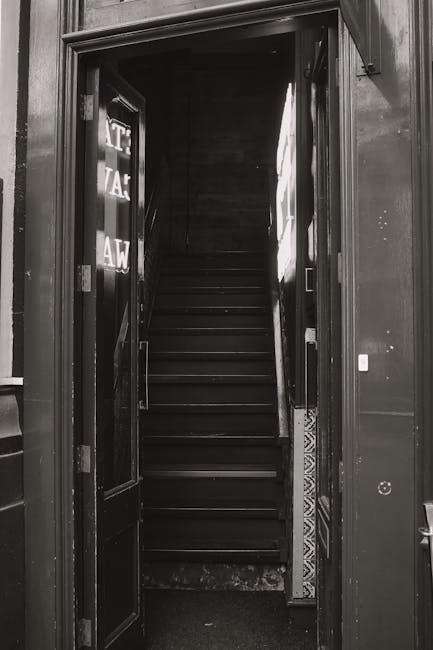
The first mistake is assuming that "two strong people" is enough. Strength helps, absolutely, but strength without technique can make narrow stairs riskier. A heavy item moved badly is still a problem, even if everyone is determined.
The second mistake is not measuring the full route. People often focus on the item width and forget the angle of the turn. If an item has to tilt, the usable space changes. That is where many DIY attempts stumble.
The third mistake is leaving packing until the last minute. Loose contents shift, boxes bulge, and handles tear at exactly the wrong moment. If you have ever watched a cardboard box go soft on a stair landing, you know the feeling. Not ideal.
The fourth mistake is ignoring parking and access outside the property. A narrow staircase move becomes harder if the van is parked far away or if loading must be done across a busy street. For some Leyton moves, a good access plan matters nearly as much as the staircase itself. Local moving advice for Brisbane Road and the Orient area is a useful reminder that neighbourhood access can shape the whole day.
The fifth mistake is forgetting the exit route. People focus so much on getting downstairs that they forget how the item will be loaded, strapped, and secured in the vehicle. If it is not stable in transit, you have only solved half the job.
And one more: don't leave bulky rubbish to the last minute if it is blocking the route. A piece of unwanted furniture or waste can make narrow access much worse. In some cases, bulky waste moving advice for Leyton can help you clear the way first.
Tools, Resources and Recommendations
You do not need a van full of gadgets, but a few simple tools make narrow-stair moves much easier.
- Furniture blankets for wrapping corners and reducing scuffs.
- Ratchet straps or tie-downs to secure items in the van.
- Protective covers for mattresses, sofas, and soft furnishings.
- Basic tools such as screwdrivers and Allen keys for quick dismantling.
- Gloves with grip to improve handling without losing feel.
- Moving boxes of sensible size rather than oversized ones that become awkwardly heavy.
For packing know-how, packing tips for a smoother move can be very helpful. Good packing reduces shifting, which is especially valuable when you are carrying boxes down tight stairs.
For specific items, specialist guidance makes life easier. If you are moving a piano, do not treat it like a large box. It is a different beast entirely. Piano removals in Leyton and the related piano moving advice are both worth considering when the staircase is narrow and the item is valuable.
Likewise, beds and mattresses deserve their own plan. A mattress can flex, but a bed frame can catch on corners very easily. See the guide to moving a bed and mattress efficiently if that is on your list.
Law, Compliance, Standards, or Best Practice
There is no special law for "narrow stairs moves" as such, but there are still sensible UK best practices that matter. Safe lifting is the obvious one. Moving teams should avoid unsafe manual handling, use proper team lifting, and stop if a carry is becoming hazardous. That is not red tape; it is basic care.
Buildings may also have their own rules. Flats, managed blocks, and converted properties sometimes require advance notice, lift booking, or protection of communal areas. Even where there is no formal procedure, it is good practice to minimise disturbance in shared hallways and stairwells.
Insurance matters too. When access is tight, the chances of bumps and scrapes rise. A responsible moving service should be clear about how it approaches handling and protection. If you want to understand this more fully, insurance and safety information is worth reading, along with the company's health and safety policy.
Good practice also includes honest communication. If an item is likely to need dismantling, or if access is awkward enough to require extra time, that should be discussed in advance. No one likes surprises in a stairwell. Well, unless it's good news.
If you are comparing providers, it is sensible to look at their wider standards and customer process too, including terms and conditions, payment and security, and how they handle feedback through the complaints procedure.
Options, Methods, or Comparison Table
There are a few ways to handle a move involving narrow stairs. The right choice depends on the item size, your budget, and how confident you feel about access. Here is a straightforward comparison.
| Method | Best for | Pros | Cons |
|---|---|---|---|
| DIY carry | Small boxes, light furniture, short distances | Cheapest, flexible timing | Higher risk on tight stairs, physically demanding, more chance of damage |
| Man and van with help | Typical room moves, mixed household items | Good balance of cost and support, practical for local jobs | May still need dismantling or pre-planning for very tight access |
| Specialist removals team | Bulky, fragile, or high-value items; difficult staircases | Better protection, smoother handling, more experience with awkward access | Usually costs more than basic lifting help |
| Storage-first approach | Moves split across dates or uncertain access | Reduces pressure on moving day, useful for staged relocation | Requires extra coordination and possibly extra cost |
If your move is time-sensitive, a same-day removals option in Leyton may be helpful, though you should still be realistic about what narrow stairs will allow. Speed helps, but not if it comes at the expense of safety.
Case Study or Real-World Example
Imagine a second-floor flat in Leyton with a steep internal staircase and a large two-seater sofa. The sofa is technically light enough for two people, but the landing is tight and the turn at the bottom is awkward. On paper, it should be fine. In practice, the angle defeats everyone.
A good moving plan would start with measurements and a quick check of whether the sofa legs can be removed. If the frame can come apart, the job gets easier immediately. The team would protect the walls, clear the staircase, and bring the sofa down slowly with one person guiding the front, one supporting the rear, and another spotting the landing.
Now compare that with a rushed DIY attempt. A friend is called round. Someone has work in an hour. The sofa gets tilted too late, catches the rail, and everyone has to restart. Nobody means to cause damage, of course, but that is often how it happens. A small plan would have saved a lot of hassle.
We have seen the same pattern with bed frames, desks, and even freezers. The item itself is not always the issue. The staircase is the issue. Or, more precisely, the staircase plus the angle plus the landing plus the rush. That combination is where specialist help earns its keep.
If the item is a sofa in storage or on the move later in the process, the advice in sofa storage guidance can also be useful, especially if you need to protect upholstery while plans are changing.
Practical Checklist
Use this simple checklist before move day. It is not fancy, but it works.
- Measure the staircase, landing, and doorways.
- Measure the widest and longest items as they will be carried, not just as they sit in the room.
- Identify anything that needs dismantling.
- Clear hallways, stairs, and entry points.
- Pack boxes so they are firm, sealed, and not overfilled.
- Protect walls, corners, and floors where needed.
- Confirm parking and van access near the property.
- Set aside tools for quick disassembly.
- Separate fragile items from bulky ones.
- Plan the order of loading and unloading.
- Check whether storage or a split move might make sense.
- Make sure everyone involved knows which item is the awkward one.
Expert summary: The best narrow-stairs move is rarely the one with the strongest people. It is the one with the clearest route, the fewest surprises, and the calmest handling. That is the real trick.
Conclusion
Narrow stairs in Leyton do not have to turn moving day into chaos. With the right preparation, the right lifting approach, and a team that understands awkward access, even bulky furniture and fragile items can be moved safely and with far less stress than you might expect. The key is to plan for the staircase, not around it.
If your move feels tricky, start with the access question. Measure carefully, be honest about the item sizes, and choose support that matches the reality of the property rather than the ideal version in your head. That little bit of realism pays off. Every time.
And if all you need is a calm, practical hand with an awkward route, that is exactly the sort of job specialist local help is meant for.
Get a free quote today and see how much you can save.