Leyton Bulky Waste Moves: Avoid Council Disposal Fees
Posted on 15/05/2026
If you are clearing a flat, replacing old furniture, or shifting a few awkward items after a move, bulky waste can become an expensive nuisance very quickly. One sofa here, a mattress there, maybe a fridge that nobody wants to carry down three flights of stairs - and suddenly you are looking at council disposal fees, booking delays, and a lot more hassle than expected. Leyton bulky waste moves are really about making that job simpler, safer, and more cost-effective, while helping you avoid the kind of disposal charges that catch people out at the last minute.
This guide explains how bulky waste collection and removal works in plain English, when it makes sense to use a professional mover, and how to plan ahead so you are not paying extra for avoidable mistakes. You will also find practical steps, a comparison table, a checklist, and some useful next steps if you want the job done without turning your day into a marathon.

Why Leyton Bulky Waste Moves: Avoid Council Disposal Fees Matters
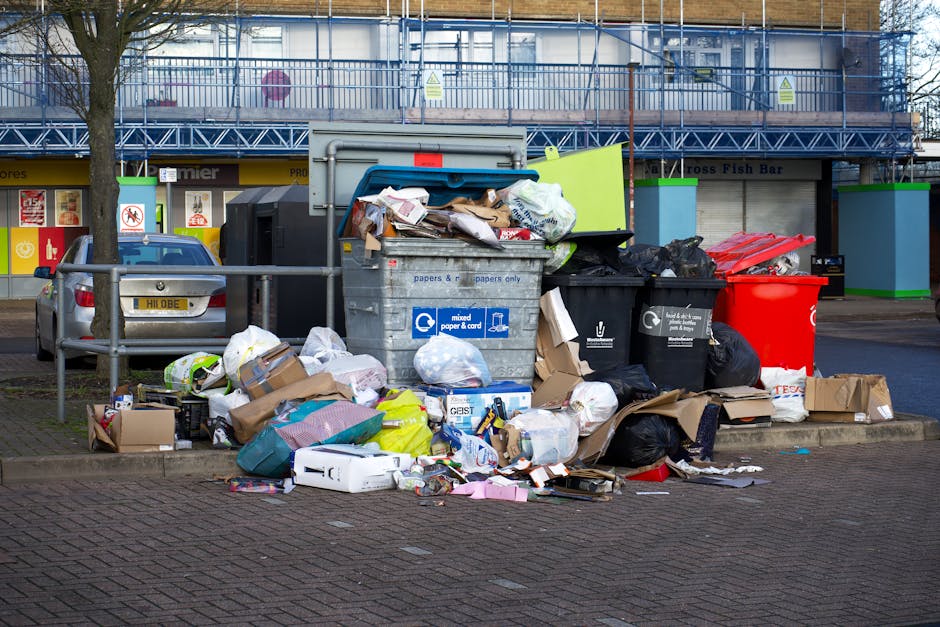
Bulky waste is one of those jobs that looks straightforward until you are standing beside a broken wardrobe, a damp mattress, and a hallway that seems to have shrunk overnight. In Leyton, as in much of London, people often assume the council is the cheapest and easiest route for large-item disposal. Sometimes it is. Sometimes it is not. And sometimes the fees, booking windows, or collection restrictions make the whole thing less convenient than expected.
That is where a well-planned bulky waste move comes in. Instead of treating disposal as a separate headache, you fold it into the move itself. That can mean clearing items room by room, sorting what is being kept, what can be donated, and what needs to go, then arranging removal in one organised sweep. Less double handling, less stress, fewer surprises. Truth be told, it is usually the surprise costs that upset the day more than the lifting.
It also matters because bulky items are rarely light or easy to manoeuvre. A sofa can snag on stair rails. A bed frame can twist under pressure. A freezer can be awkward, cold, and oddly slippery. If you are not careful, a quick attempt to save money can create more expense through damage, injury, or wasted time. A planned removal helps reduce that risk and keeps the move on track.
For anyone already using local removals in Leyton, bulky waste planning is often the missing piece. It turns an awkward clean-up into a tidy part of the wider move instead of an extra job hanging around for later.
How Leyton Bulky Waste Moves: Avoid Council Disposal Fees Works
The basic idea is simple: you identify bulky items early, decide what should be removed, and choose the most practical route for getting them out of the property. In many cases, the most efficient approach is to combine removal with your moving plan so the load can be taken away in one go. That can be especially useful if you are already booking a van, moving furniture, or clearing a rented property.
A typical bulky waste move usually follows a few stages:
- Sort the items. Separate keep, donate, recycle, and dispose piles. This sounds obvious, but it saves time later.
- Check item condition. Some pieces may be reusable. Others may be damaged beyond practical recovery. Be honest here.
- Measure access points. Doorways, stairwells, lifts, tight corners, and parked vehicles all matter. A quick measurement now can prevent a nasty surprise later.
- Decide on handling method. Some items can be carried by two people. Others need proper lifting technique or specialist handling.
- Book the right support. A van-based removal service can often move bulky items alongside the rest of the household goods, reducing separate trips and extra collection charges.
- Prepare the property. Clear paths, protect floors, and remove small obstacles before the team arrives.
To be fair, the real value is not just in the transport. It is in the organisation around it. A good plan means you are not paying for unnecessary time on site, multiple journeys, or rushed decisions. If you have ever tried to angle a wardrobe down a narrow staircase at 7:30 in the morning, you will understand why planning matters.
Many customers also find that decluttering first makes the whole process cheaper and easier. If you are still deciding what should stay and what should go, the advice in this decluttering guide can help you cut the load before removal day.
Key Benefits and Practical Advantages
There are several practical reasons people choose a professional bulky waste move instead of relying on council disposal alone. The biggest one is control. You decide when the items leave, how they are handled, and what happens to them afterwards. That flexibility is worth a lot when you are moving on a deadline or trying to hand back keys cleanly.
- Lower risk of council fee surprises: You are less likely to be caught out by item-based charges or collection conditions.
- Fewer delays: You are working to your moving schedule, not waiting around for the next available collection slot.
- Less lifting strain: Professional support reduces the risk of back strain and accidental damage.
- Better use of vehicle space: Large items can be loaded efficiently with the rest of your move.
- Cleaner handover: Useful if you are leaving a rented flat or preparing a property for sale.
There is also a hidden benefit: peace of mind. When bulky waste is sorted properly, the rest of the move feels lighter. You notice it in the little things - fewer bags in the hallway, fewer decisions left hanging, less clutter in the line of sight. It just feels more manageable.
If furniture is part of the problem, it may help to look at dedicated support such as furniture removals in Leyton, especially for bigger items that need careful handling rather than a rough-and-ready haul.
Who This Is For and When It Makes Sense
This kind of service is not only for people doing a complete house clear-out. In practice, bulky waste moves are useful in a lot of ordinary situations:
- Tenants moving out: You need to remove old furniture quickly and leave the property in a respectable state.
- Homeowners downsizing: A few large items simply will not fit in the next property.
- Students leaving Leyton: Bed frames, desks, and worn-out seating often need to go at the end of term.
- Landlords and agents: End-of-tenancy clearances often involve broken or abandoned furniture.
- Families replacing old pieces: A new sofa or mattress usually means the old one has to leave the same week.
- Small offices: Desks, chairs, shelving, and filing units can add up quickly.
It makes sense whenever the item is too awkward for a standard bin, too large for a normal car, or too much trouble to break down safely. That is the simple test. If you are thinking, "I can probably just deal with that later," later tends to become never, and the pile stays there staring at you.
For students in particular, a local option like student removals in Leyton can be a sensible fit when you are juggling deadlines, key handovers, and a lot of stuff in not much time.
Step-by-Step Guidance
If you want the process to run smoothly, keep it practical. Not fancy. Just clear and well-timed. Here is a sensible way to handle it.
1. Make a room-by-room list
Walk through the property and note each bulky item. Include sofas, beds, wardrobes, freezers, desks, and anything heavy, bulky, or awkward-shaped. A short list is better than a vague memory. Even a notebook scribble is fine.
2. Decide what is leaving before moving day
Do not wait until the last hour. Once the keep and remove piles are decided, the loading plan becomes much easier. If you are still sorting things, put aside an hour or two for proper decluttering. It pays off.
3. Measure doorways and routes
This step is boring. Also essential. Measure wider furniture against the tightest point in the route out. Stair turns and front doors are the usual trouble spots, especially in older Leyton properties.
4. Separate fragile or hazardous contents
Empty drawers, remove loose shelves, disconnect appliances where safe, and make sure there is no food, liquid, or personal paperwork left inside bulky units. For example, freezer contents need to be dealt with properly before removal. If you need more practical storage ideas during a move, these freezer storage tips can help you avoid waste and confusion.
5. Protect floors and access points
Put down covers where needed, especially on wood floors or freshly painted areas. This is one of those small things that saves a lot of awkward apologising later.
6. Use proper lifting technique
Heavy items should never be dragged blindly or lifted in a twisted position. Keep the load close, bend your knees, and do not try to hero your way through a bad angle. If you are lifting alone, the guidance in this solo lifting article is worth a look, but for very large items, professional support is still the better call.
7. Book the move with margin
Leave breathing room in your schedule. If the team arrives and needs a few extra minutes to dismantle a bed or manage a tight staircase, you will not be in a panic. A calm job usually ends up cheaper than a rushed one. Funny how that works.
Expert Tips for Better Results
Here are the little decisions that make a bulky waste move feel easier than most people expect. None of them are dramatic, but together they make a real difference.
- Bundle disposal with moving day: If an item is already leaving the property, move it once. Do not move it into a corner to deal with "later."
- Take apart what can be safely dismantled: Flat-pack frames, bed slats, and removable shelves often reduce the load and make access easier.
- Keep screws and fittings in labelled bags: It sounds fussy, but it saves time if something is being reassembled.
- Clear a loading path in advance: Hallways cluttered with bins, shoes, or boxes slow everything down.
- Photograph items before removal if needed: This can help with landlord discussions, insurance questions, or just your own records.
- Think about reuse first: Some pieces may be usable by family, friends, or local reuse channels before you send them out as waste.
One practical habit that helps a lot is grouping items by room and by fate: keep, move, donate, recycle, dispose. That structure prevents emotional decision fatigue. You know the feeling - you open a cupboard, find three old extension leads, a lamp shade, and a mysterious cable from who knows when, and suddenly everything becomes a project. Better to make the decision once.
If you want the packing side of the move to run just as smoothly, these packing tips are a useful companion read.
Common Mistakes to Avoid
Most bulky waste problems are caused by a few predictable mistakes. The good news is that they are easy to avoid once you know what to look for.
- Leaving everything until the final day: This is the fastest route to panic and extra cost.
- Underestimating item size: A sofa may look manageable until you try to turn it in a narrow stairwell.
- Assuming council collection will fit your timeline: Booking windows and collection rules can be inconvenient if you are on a tight move-out date.
- Forgetting disassembly tools: The right screwdriver or Allen key can save a lot of grief.
- Mixing reusable items with true waste: This makes sorting harder and can lead to avoidable disposal.
- Ignoring weight distribution in the van: Heavy items should be loaded safely and sensibly, not just shoved in wherever they fit.
Another common error is trying to save money by doing everything yourself when the item clearly needs help. A little sofa on the second floor? Fine. A king-size mattress, a chest of drawers, and a freezer on a wet morning? That is not the place to be brave.
For larger household pieces, a dedicated removal van in Leyton can be a smarter option than improvising with a car trailer or multiple trips.
Tools, Resources and Recommendations
You do not need a huge toolkit to handle bulky waste well, but a few practical items make life much easier.
| Tool or Resource | Why It Helps | Best Used For |
|---|---|---|
| Measuring tape | Checks whether items can fit through routes safely | Wardrobes, sofas, beds, appliances |
| Basic dismantling tools | Helps reduce bulky items into safer sections | Flat-pack furniture, bed frames |
| Blankets or floor protection | Reduces scratches and scuffs during removal | Wood floors, hallways, entrances |
| Labels or marker pens | Keeps remove/keep/donate decisions clear | Sorting and loading day |
| Professional removal support | Cuts risk and simplifies the entire process | Large, heavy, or awkward items |
For anyone planning a broader move, it can also help to look at the wider service picture. A full services overview is useful if you want to combine bulky waste, furniture handling, and general transport instead of dealing with each task separately.
And if secure handling matters - which it usually does when valuables or fragile items are involved - the pages on insurance and safety and health and safety are worth reading so you understand the expected standards.
Law, Compliance, Standards, or Best Practice
When bulky waste is involved, the safest approach is to follow normal UK waste and moving best practice. That does not mean memorising legal jargon. It means being sensible, careful, and properly informed.
In practical terms, the main points are:
- Only use reputable removal support: If someone is taking waste away for you, it should be handled responsibly and not dumped irresponsibly.
- Keep hazardous items separate: Some materials and contents need special handling. Do not mix them in with general furniture or household waste.
- Be honest about item condition: Damaged, contaminated, or unsafe items may need a different route from clean reusable furniture.
- Respect building rules: Flats, estates, and managed properties often have access, parking, or lift restrictions.
- Protect people and property: Safe lifting, proper loading, and clear access routes are part of good practice, not optional extras.
A good mover should work in a tidy, careful way and treat your property with respect. That includes using sensible handling methods, proper communication, and a straightforward process around pricing and expectations. If you want reassurance before booking, the pages on pricing and quotes and terms and conditions can help set clear expectations.
For anyone concerned about responsible disposal and a lower-impact approach, recycling and sustainability is a useful place to understand how reuse and responsible handling fit into the process.
Options, Methods, or Comparison Table
There is no single best answer for every household. The right method depends on timing, item size, access, and how much lifting you are willing to do yourself. Here is a straightforward comparison.
| Option | Best For | Pros | Trade-offs |
|---|---|---|---|
| Council bulky waste collection | Small number of eligible items with flexible timing | Familiar process, straightforward for some households | May involve fees, booking lead times, and item restrictions |
| DIY disposal | People with a vehicle, help, and time | Flexible, direct control over timing | Heavy lifting, loading effort, possible multiple trips |
| Professional bulky waste move | Large, awkward, or mixed loads | Less stress, safer handling, efficient loading | Usually involves a service charge, though often easier overall |
| Combined removals and clear-out | Moves where furniture and waste are happening together | Best use of time, one coordinated plan | Needs clear sorting beforehand |
For many people in Leyton, the combined option is the sweet spot. It keeps the disposal job tied to the move instead of turning it into a separate weekend task you dread. If you are handling a flat, for example, the support of flat removals in Leyton can be a practical fit because access issues and bulky items often arrive together.
Case Study or Real-World Example
Consider a typical end-of-tenancy move in a first-floor Leyton flat. The tenant has a sofa that will not fit in the next property, a bed frame missing one slat, and a chest of drawers that is too damaged to justify keeping. There is also a desk chair, a small freezer, and a pile of packaging from the last move.
At first glance, this looks like a messy disposal problem. But once the items are grouped, measured, and separated into what stays and what goes, the job becomes manageable. The sofa and bed frame can be dismantled where possible. The freezer is emptied and prepared properly. The packaging is broken down and removed with the rest. Instead of dealing with several separate trips or a last-minute search for council availability, everything is handled in one coordinated sweep.
The benefit is not just speed. The tenant avoids dragging a half-cleared flat into another day of stress, and the handover is cleaner. The room feels empty, echoes a bit, and that odd dusty smell you get in a cleared flat starts to fade. Small thing, maybe. But it matters when you are trying to finish well.
That is also why many people pair bulky waste with a broader moving service. If you want help with a whole-property move, house removals in Leyton or man with a van in Leyton can provide a more joined-up approach than tackling each problem on its own.
Practical Checklist
Use this checklist before removal day. It keeps the job neat and avoids most of the usual snags.
- List every bulky item that needs to leave
- Separate keep, donate, recycle, and dispose piles
- Measure doors, stairs, lift access, and tight corners
- Empty furniture, drawers, and appliances
- Disconnect appliances safely where appropriate
- Gather tools for dismantling if needed
- Clear hallways, entrances, and loading paths
- Protect floors, walls, and corners from scuffs
- Check parking or access arrangements for the vehicle
- Keep any documents, valuables, or personal items separate
- Confirm timing and contact details with the mover
- Take a final walk-through before the team leaves
Expert summary: The cheapest bulky waste move is rarely the one with the lowest headline price. It is the one that avoids rework, damage, wasted trips, and council booking headaches. Plan early, sort properly, and choose a method that fits the size of the job.
Conclusion
Leyton bulky waste moves are at their best when they are treated as part of a wider moving plan, not as an afterthought. That one shift in thinking can help you avoid council disposal fees, reduce stress, and keep awkward items from turning into a bigger problem than they need to be.
The main takeaway is simple: sort early, measure carefully, and use the right support for the size of the load. If you do that, the whole process becomes calmer, safer, and usually more efficient too. And let's face it, moving day already has enough moving parts without a sofa making its own plans.
If you are preparing for a local move, want to clear bulky items responsibly, or just need a better way to handle the heavy stuff, now is the time to get organised and keep the job moving in the right direction.
Get a free quote today and see how much you can save.