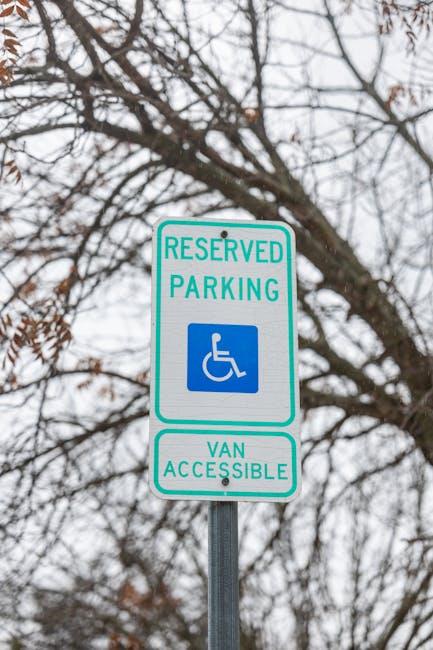
Waltham Forest Council Permits for Leyton Moving Vans
Posted on 26/06/2026

Waltham Forest Council Permits for Leyton Moving Vans: A Practical Local Guide
If you are moving in Leyton, parking is rarely the easy part. Narrow streets, permit zones, shared driveways, and time pressure can turn a simple moving day into a lot of stop-start stress. That is where Waltham Forest Council Permits for Leyton Moving Vans come in. They help you manage where a van can stop, how long it can stay, and whether you are likely to run into a parking penalty just as your sofa is halfway out the door. Not exactly the kind of surprise anyone wants.
This guide explains what the permit process means in plain English, when you may need one, how it usually works in practice, and what to do so your move stays calm and compliant. You will also find a step-by-step checklist, a comparison table, and a realistic example from a local-style move, because let's face it, theory is useful only if it helps on moving day.
Why Waltham Forest Council Permits for Leyton Moving Vans Matters
A moving van needs space. That sounds obvious, but in Leyton the real challenge is finding legal, safe, and workable space at the exact moment you need it. Many streets are busy, some have restrictions, and some areas feel full even before the day begins. If a van stops in the wrong place, the move can be delayed, the crew may need to walk items farther than planned, and you can end up with extra hassle no one budgeted for.
This matters for more than just convenience. A permit or a clear parking arrangement can reduce the risk of fines, keep neighbours happier, and help your movers work efficiently. It also helps protect fragile items, since less carrying distance usually means less chance of knocks, scuffs, or that awkward moment when someone has to twist a wardrobe around a parked car. That kind of thing happens fast.
For local moves, the parking side of things often gets overlooked until the last minute. In our experience, people focus on boxes, keys, cleaning, and where the kettle is. Then the van arrives and suddenly the kerb outside is packed with cars. Planning around Waltham Forest Council parking controls is not glamorous, but it is one of the smartest things you can do.
If you are still in the planning stage, it can also help to think about packing and furniture handling at the same time. A tidy, organised move is much easier when you have already read practical advice like these packing tips for a smoother moving day and considered how larger items will come out safely.
How Waltham Forest Council Permits for Leyton Moving Vans Works
In simple terms, a council permit is permission to park or stop in a controlled area under certain conditions. For moving vans, that can mean a temporary parking arrangement, loading permission, or another form of controlled access depending on the street and the timing. The exact requirement depends on the road, the restrictions in force, and the type of vehicle involved.
The safest way to think about it is this: if the van needs to stand on a street where parking is restricted, limited, resident-only, or time-controlled, you should not assume it will be fine without checking. Leyton has a mix of residential roads, busier routes, and tighter side streets, so what works on one block may be completely different two streets over.
There are usually a few moving parts:
- The location: whether the property is on a controlled street, a narrow road, or a zone with permits already in use.
- The vehicle: the size and type of moving van can affect whether it fits in a legal loading bay or on street.
- The timing: some restrictions are only active at certain hours, while others apply all day.
- The purpose: loading, unloading, and waiting may be treated differently from casual parking.
What trips people up is assuming that a vehicle used for moving is automatically exempt. Usually, it is not that simple. The practical question is not whether the van is helping you move. It is whether it is allowed to stop where it needs to stop, for as long as it needs to stay there.
If your move involves awkward access, you may want to combine permit planning with route and access planning too. A good local mover will often think about stair width, entry points, and item sizes before the van even turns up. That is why related guidance on handling narrow stairs in Leyton can be surprisingly relevant here.
Key Benefits and Practical Advantages
Getting the parking side of a move right brings more value than people expect. It is not just about avoiding penalties. It changes the rhythm of the whole day.
- Smoother loading and unloading: the van can park closer to the door, which shortens carry distances and speeds everything up.
- Less physical strain: fewer steps, less carrying, and fewer long awkward walks with heavy items.
- Lower risk of damage: when items are moved more directly, there is less chance of scraping walls, kerbs, or railings.
- Better time control: the crew can keep to schedule instead of hunting for an acceptable spot.
- Fewer stressful last-minute decisions: no scrambling for a legal space while half your home is already boxed up.
There is also a commercial benefit. If you are comparing removal services, a team that understands local parking and access issues is often easier to work with than one that only thinks about the van itself. That can make a real difference on busy streets or when you have a tight turn-around between tenancy handover and key collection.
For a fuller picture of how moving support is typically structured, it can help to look at broader service information such as the services overview and how a man with a van in Leyton may be used for smaller or faster moves.
Who This Is For and When It Makes Sense
Not every move needs the same level of parking planning. Still, permit awareness is useful for a wide range of people in Leyton.
- Flat movers: especially where there is no driveway, limited turning space, or a shared entrance.
- Families moving house: because larger loads and longer loading times tend to amplify parking problems.
- Students and first-time movers: who may not be familiar with local restrictions and often hire smaller vehicles or same-day help.
- Office movers: where timing is critical and the building may have strict access windows.
- People dealing with bulky items: such as sofas, wardrobes, pianos, or beds that need extra space and careful handling.
It makes particular sense if your property is on a busy residential road, near junctions, or in an area where parking is already tight after breakfast. You know the sort of street: cars bumper to bumper, bins out, one delivery van, and not a spare inch to be seen. In those cases, permit planning can be the difference between a tidy move and a frustrating one.
If you are a student or moving between smaller flats, you may find it helpful to pair permit planning with practical advice for smaller loads, like the approach used in student removals in Leyton or flat removals in Leyton.
Step-by-Step Guidance
Here is a straightforward way to approach Waltham Forest Council parking and permit planning for a moving van without overcomplicating it.
- Check the address early. Look at whether the property sits on a controlled street, a loading-restricted road, or an area with limited stopping space.
- Estimate the size of the vehicle. A small van and a large removal truck do not face the same parking realities.
- Map the loading point. Think about where the van can legally stop and how close that point is to the front door.
- Ask about timing. Morning, midday, and evening can all behave differently in a residential area.
- Plan for delays. Leave a margin. A move that starts perfectly can still hit issues if a neighbour's car is in the way or a bay is already taken.
- Coordinate with your mover. The crew should know whether access is tight, whether stairs are narrow, and whether any item needs special handling.
- Prepare the property. Keep hallways clear, stage boxes near the exit, and make sure the path from door to van is as open as possible.
A small but useful habit: walk the route from the front door to the kerb the day before. You will notice things you miss when you are focused on the paperwork. A low wall, a parked car that tends to stay there, a bin area, a tree branch hanging awkwardly over the pavement. Tiny details, yes, but they matter on moving day.
And if you are trying to reduce the total amount you need to move, do not ignore decluttering. Less stuff means faster loading, fewer journeys, and less pressure on parking time. A good starting point is mastering decluttering beforehand.
Expert Tips for Better Results
After plenty of local moves, one pattern stands out: the smoother jobs are almost always the ones where the parking and access plan is boringly clear. Boring is good here. Boring means calm.
- Book with access in mind, not just price. The cheapest quote can become the most expensive if the van cannot park close enough.
- Use early-day timing where possible. Residential roads are often easier before the day gets busy.
- Keep one person free to manage the door area. That person can direct items, watch for cars, and avoid bottlenecks.
- Wrap and label large pieces first. If the sofa is already protected and ready, you waste less time outside in the street.
- Separate fragile items early. Fewer last-minute decisions outside the property means fewer mistakes.
One small truth: moving day always feels five minutes shorter than it should. So, if you can shave off even ten minutes by planning parking well, do it. You will feel the benefit immediately.
For heavy or awkward furniture, it is also worth thinking about lifting technique and team coordination. Practical moving knowledge, like why kinetic lifting changes the game, can help reduce strain and keep the whole move more controlled.
Common Mistakes to Avoid
Here is where many moves go sideways. Not dramatically, usually. Just enough to be annoying. And moving days already have enough of that.
- Leaving parking planning too late. By the time you are loading boxes, it may be too late to sort the space you need.
- Assuming a van can "just stop briefly." Briefly can still be a problem in restricted streets.
- Ignoring bay sizes and vehicle length. A spot may exist, but not for the van you actually hired.
- Forgetting about neighbours and access routes. Shared entrances, driveways, and turning spaces can create friction fast.
- Not checking loading time windows. Some restrictions are tied to specific hours, and those windows matter more than people think.
- Booking the mover without explaining the access issue. If they turn up expecting a clear curbside stop and find none, everything slows down.
A practical example: someone moving from a small terrace may have all their boxes packed beautifully, but if the van is forced to park too far away, those neat boxes become a long carry through a crowded pavement. Suddenly the move feels twice as hard. Not ideal.
Where bulky household items are involved, try to avoid treating them like ordinary boxes. Sofas, wardrobes, and beds tend to be the things that expose weak planning first. If that sounds familiar, the guides on moving beds and mattresses and storing sofas properly are useful companions.
Tools, Resources and Recommendations
You do not need a complicated toolkit to deal with parking and permit planning, but a few simple things help a lot.
- Address notes: write down exact entry details, floor number, and gate codes.
- Street photos: a quick phone picture of the kerb, bay layout, or access point can be surprisingly useful.
- Room-by-room inventory: helps estimate how long loading is likely to take.
- Time plan: include packing, van arrival, loading, travel, and unloading.
- Padding and blankets: useful when the van cannot park as close as hoped and items need extra protection.
It also helps to choose a mover who thinks practically about the full journey, not just the collection and drop-off. If storage is part of the move, or if you need to pause between properties, see whether options like storage in Leyton fit into the plan.
For people who want a broader sense of how removal services are organised, the most useful companion pages are usually removal services in Leyton, removals in Leyton, and a removal van in Leyton. They help frame the difference between a quick man-and-van job and a full moving setup.
Law, Compliance, Standards, or Best Practice
Parking, loading, and moving vehicle use are usually governed by local parking rules, road restrictions, and general safety expectations. Because those controls can vary by street and by time, the best practice is to check the specific conditions for the exact address rather than guessing. That is the sensible approach, even if it feels a bit tedious at the time.
From a compliance standpoint, the main principles are straightforward:
- Do not stop where stopping is not permitted.
- Do not assume loading automatically overrides restrictions.
- Keep access safe for pedestrians and residents.
- Plan vehicle size and loading time realistically.
- Communicate clearly with your removal team.
Good practice also includes protecting the property and the people moving through it. That means safe lifting, sensible stacking, tidy walkways, and enough time to move without rushing every second. If you are comparing companies, it is reasonable to look for reassurance on matters like insurance and safety, along with policies that show a company takes responsibility seriously, not just when things go well.
For many readers, the key takeaway is simple: treat permits and parking as part of moving logistics, not as an afterthought. That mindset alone prevents a lot of avoidable stress.
Options, Methods, or Comparison Table
There is more than one way to manage a Leyton move. The best choice depends on the street, the size of the load, and how much time you have.
| Approach | Best for | Pros | Watch-outs |
|---|---|---|---|
| Street parking with permit or controlled loading | Homes on busy roads or where the van must stay close | Fast loading, less carrying, better control | Requires checking restrictions carefully |
| Short-stay loading only | Smaller moves or quick unloads | Simple and efficient when timing is tight | Not ideal for larger homes or heavy items |
| Private driveway or off-street access | Properties with private parking space | Usually the least stressful option | Can still be limited by gate width or turning room |
| Remote parking with longer carry | When no close legal space is available | Can still work if planned properly | Slower, more physical, greater chance of delays |
If you want the shortest possible answer, here it is: the closer the van can legally get to the door, the easier the move usually is. Not always, but usually. That said, some homes simply do not allow it, and then the real skill is in planning around the limitation rather than fighting it.
For tricky access moves, pages like local moving tips for Francis Road relocations and Brisbane Road and Orient area removals can help you think more locally about access and route planning.
Case Study or Real-World Example
Imagine a two-bedroom flat move in Leyton on a weekday morning. The couple has packed most of their items the night before. Boxes are labelled, the wardrobe is empty, and the mattress is rolled or protected. Sounds organised, right?
Then they realise the street outside is partly restricted and already busy with resident parking. The moving van cannot simply sit anywhere. If they had not planned for that, the crew might have had to stop farther away, cross a narrow pavement, and make multiple longer trips with heavier items. That would slow everything down and create more chances for scuffs or strain.
Instead, they prepare early. The mover knows the access conditions, the timing is set for a quieter window, and the front room is cleared first so the largest items go out while the route is still open. The result is not magical. It is just organised. But on moving day, organised feels pretty magical.
That same approach works for more specialised jobs too. A piano move, for example, is especially unforgiving if parking and access are not sorted in advance. If you are dealing with one, professional piano moving guidance is worth reading before anything is lifted.
Practical Checklist
Use this checklist in the final 48 hours before moving day.
- Confirm the collection and delivery addresses.
- Check whether the street has parking controls or loading restrictions.
- Confirm the van size with the mover.
- Share access details, floor level, and any narrow staircases.
- Prepare any bulky items separately.
- Clear the hallway, doorstep, and route to the van.
- Keep important documents, keys, and valuables with you.
- Make sure labels are readable and boxes are sealed properly.
- Allow extra time for parking, walking distance, and unexpected delays.
- Have a backup plan if the closest legal space is taken.
Expert summary: The smartest Leyton moves are rarely the fastest on paper. They are the ones where parking, access, packing, and timing all support each other. That is what keeps the day from turning into a scramble.
For a deeper look at moving organisation and stress reduction, you may also find expert advice for a smooth, stress-free move useful. And if you are comparing moving help, it is worth understanding the practical difference between man and van services, removal companies, and more flexible same-day removals when time is tight.
Conclusion
Waltham Forest Council Permits for Leyton Moving Vans are not the flashiest part of moving, but they may be one of the most important. They shape how close the van can get, how quickly your items can be loaded, and how much stress you avoid on the day. In a place like Leyton, where streets can be tight and parking can disappear quickly, that matters a great deal.
The good news is that permit and parking planning is manageable once you break it into simple steps: check the road, match the van to the space, allow enough time, and keep the mover fully informed. Do that, and the rest of the move has a much better chance of feeling calm, steady, and under control.
Get a free quote today and see how much you can save.
And honestly, a well-planned move has a lovely feeling to it. Fewer surprises, fewer delays, and a lot less standing around with a box in your hands wondering what happens next. That alone is worth the effort.