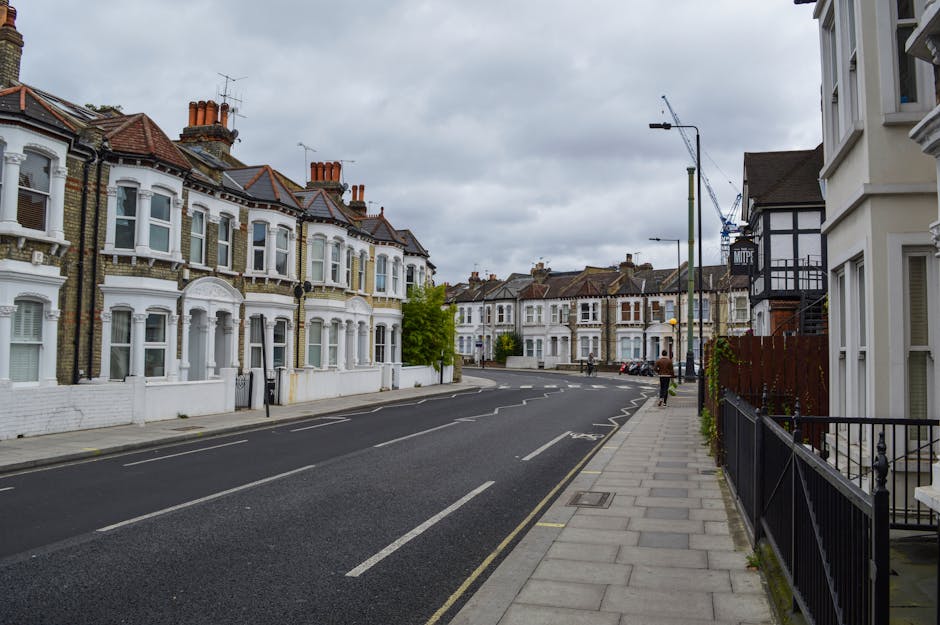
Leyton E10 Move Guide: Narrow Streets & Parking Tips

Moving in Leyton E10 can feel straightforward on paper, then suddenly you're staring at a narrow road, a row of parked cars, and a van that looks a bit too large for comfort. That is exactly why this Leyton E10 Move Guide: Narrow Streets & Parking Tips exists. If you are planning a flat move, a house move, or a small business relocation in this part of East London, the difference between a smooth day and a stressful one is usually planning. Not luck. Planning.
Truth be told, Leyton's streets can be friendly to walk through and awkward to move through. Some roads are tight, some parking is limited, and a badly timed arrival can quickly turn into long carry distances, awkward reversing, and a lot of unnecessary sweating. This guide breaks down how to prepare, what to watch for, and how to reduce the usual moving-day headaches without overcomplicating things.
For readers comparing moving support, it can also help to understand the difference between a man with van, a larger moving van, and a full removal service. The right choice depends on street access, parking, and how much you actually need to move. Simple as that.
Why Leyton E10 Move Guide: Narrow Streets & Parking Tips Matters
Leyton sits in a part of London where everyday traffic, residential parking pressure, and older street layouts often collide. That matters because removals are rarely just about lifting boxes. They are about vehicle access, timing, loading space, stairwells, and how far your sofa has to travel from the van to the front door. In a tight E10 street, a small parking mistake can create a surprisingly big delay.
Narrow streets change the whole moving equation. A van that would be fine on a wider road can suddenly become awkward to position if cars are parked on both sides, the corner is tight, or the driveway access is blocked. Add rain, school-run traffic, or a neighbour double-parked "just for a minute", and the day gets more complicated. We've all seen that kind of thing spiral.
Parking is just as important. If the van cannot stop close enough to your property, the crew spends more time walking back and forth, which slows everything down and increases the chance of knocks, scuffs, and fatigue. It also makes timing more unpredictable, which is frustrating if you have keys to collect, inventory to sign, or a building manager waiting in the lobby.
Practical takeaway: In Leyton E10, moving success is often decided by access planning before a single box is lifted. The closer the van can get, the smoother the whole day tends to be.
This is especially relevant for flats, Victorian terraces, and mixed residential streets where parking is often shared, tight, or lightly contested. If you are moving a business, the same principle applies, only with more urgency because access windows can be narrower and downtime costs more. A careful plan beats a rushed one every time.
How Leyton E10 Move Guide: Narrow Streets & Parking Tips Works
The basic idea is simple: assess access first, then choose the right vehicle, then plan loading and unloading around realistic parking conditions. That sounds obvious, but in practice people often do the reverse. They book a van, pack everything, and only then notice that the street barely fits one moving vehicle at a time. Not ideal.
A sensible Leyton move plan usually follows a few practical stages:
- Check the street layout around both properties.
- Identify where a van can safely stop without blocking driveways, bends, or crossings.
- Decide whether your move needs a smaller vehicle, a second trip, or a different loading strategy.
- Think about carry distance, stairs, and whether any furniture needs dismantling.
- Plan timing around local traffic patterns and building access rules.
This is also where the right moving option makes a difference. A compact vehicle can be easier to place on a narrow street, while a larger van may suit bulkier loads if parking is more manageable. If you are comparing service types, it may help to look at man and van removals for smaller jobs or house removals for larger household moves. The point is not to pick the biggest option. The point is to pick the one that fits the street as well as the stuff.
Good access planning also means thinking about how long the van will actually need to stay in place. A quick load can often be handled differently from a full house clear-out. If parking is sensitive, a shorter loading window and a more organised packing method can make a big difference. A little less heroics, a little more structure.
Key Benefits and Practical Advantages
When the move is planned properly for Leyton E10's narrow streets and parking realities, the benefits are immediate. The obvious one is less stress. The less obvious one is that the whole operation becomes more predictable, which helps you manage keys, building access, cleaning, and the rest of that moving-day chaos.
- Less walking distance: The van can often park closer, reducing the physical carry.
- Faster loading and unloading: Shorter distances save time and energy.
- Lower risk of damage: Fewer tight turns and fewer handovers mean fewer chances to knock walls or furniture.
- Better timing: A realistic parking plan reduces delays caused by searching for space.
- Less pressure on the team: When access is thought through, everyone works more calmly.
There is also a practical cost angle. Extra time on site can affect labour costs, especially if access is poor or loading is slower than expected. Even when pricing is transparent, inefficient access can still make a move feel more expensive than it needs to be. Better planning is often the cheapest improvement available, which is a nice surprise in a business that usually likes to charge for everything.
For customers with mixed items, such as a sofa, bed frames, office chairs, and a few heavy boxes, the right mix of packing, access planning, and vehicle choice often matters more than brute force. If you need help with dismantling or lifting awkward items, services such as packing and unpacking services can also reduce the risk of delay.
Who This Is For and When It Makes Sense
This guide is for anyone moving in or out of Leyton E10 who wants fewer surprises on the day. That includes tenants, homeowners, landlords arranging a changeover, students with a heavier-than-expected roomful of stuff, and local businesses shifting stock or equipment. If the street is tight, the parking is awkward, or the building access is not exactly generous, this kind of planning matters a lot.
It makes particular sense if:
- you are moving from a terraced house or a flat on a narrow residential road;
- you have a limited parking bay or permit-only street nearby;
- you own bulky furniture that is hard to carry over long distances;
- you are moving on a weekday when traffic is heavier;
- you are trying to keep disruption low for neighbours or customers.
It also makes sense if you are not sure what size of vehicle to book. That's a common one. People often underestimate how much room large furniture really needs once it is out of the room and in the van. A small dining table sounds harmless until it has to turn a hallway corner. Then, suddenly, it has opinions.
For commercial moves, the same principles apply, but the stakes are a bit sharper. If a stockroom, office, or consultation room has to be cleared quickly, parking and loading access can determine whether the move stays neat or becomes a long, messy afternoon. In that setting, options like commercial moves or office removals may be the better fit.
Step-by-Step Guidance
Here is a practical way to handle a Leyton E10 move without overthinking it.
- Walk the route first. Check both the pick-up and drop-off streets if you can. Notice width, parked cars, corners, and any barriers or low branches.
- Measure the biggest items. Don't guess. Measure sofas, wardrobes, bed bases, and appliances so you know what needs special handling.
- Choose the right vehicle size. A smaller vehicle may be better where access is tight, while a larger one may be more efficient if the street allows it.
- Decide where the van can stop. Look for a spot that avoids blocking crossings, corners, and neighbour access. If necessary, plan for a short walk rather than an impossible squeeze.
- Sort the packing order. Load heavier items first and keep fragile boxes safe. Put the items you need first at the end of the load.
- Prepare building access. If there is a lift, booked slot, key code, porter, or timing restriction, note it clearly.
- Keep a buffer in the schedule. London traffic is London traffic. A bit of breathing room helps when a van has to circle once or twice before finding a workable space.
- Confirm the final plan the day before. Recheck contact details, parking access, and any last-minute changes. Sounds basic, but it saves a surprising amount of grief.
If you are managing the move yourself, keep one person focused on access while another handles packing or keys. That avoids the classic moving-day shuffle where everyone is carrying something and nobody is actually looking at the street. Been there, seen that, not fun.
For larger loads, you may also want to organise the vehicle type around the job rather than the other way around. A removal van can be useful when you need a balance between capacity and manoeuvrability, especially in streets where a full-size truck would feel clumsy.
Expert Tips for Better Results
After enough moves in areas like Leyton, a pattern becomes obvious: the best days are the ones where the boring details were handled early. Not glamorous. Very effective.
Tip 1: Treat parking as part of the move, not an afterthought. If the van cannot stand close, even an otherwise simple job becomes slower. Think about the loading bay, the road width, and whether you may need a second person to help keep the route clear.
Tip 2: Pack for the street, not just the room. A box may be light in the hallway but awkward once it has to be carried up steps, round a corner, and over uneven pavement. Small, manageable boxes are often easier than one heroic monster box that nobody wants to touch.
Tip 3: Dismantle when it genuinely helps. Flat-pack wardrobes, bed frames, and large tables are often easier to move once broken down. That is especially true when the staircase is narrow or the turning space is tight.
Tip 4: Protect communal areas. In flats, a bit of door-frame protection and careful trolley use can prevent damage and complaints. Neighbours notice this stuff more than you might think.
Tip 5: Be realistic about timing. If you have a permit window, a lift booking, or a key handover, give yourself slack. Running late because of one difficult parking spot is the kind of thing that snowballs.
Expert summary: In narrow-street moves, efficiency comes from preparation, not speed. The smoothest jobs are usually the ones where the route, vehicle, and load order were considered together from the start.
And yes, sometimes the smallest improvement matters most. A better parking spot can save more time than an extra pair of hands. Funny how that works.
Common Mistakes to Avoid
It's easy to make avoidable errors when the pressure is on. Here are the ones that show up most often in tight-area moves.
- Booking the wrong vehicle size. Too small means extra trips; too large means parking trouble.
- Assuming parking will "just be available." In many parts of E10, that assumption is the first problem.
- Ignoring stair width and turn space. Furniture that fits the van may still struggle inside the property.
- Packing too late. Rushed packing leads to poor load order and slower unloading.
- Forgetting about neighbours and shared access. Blocking entrances or driveways can create avoidable conflict.
- Not measuring large items. Guesswork causes headaches, especially with wardrobes, mattresses, and corner sofas.
Another quiet mistake is failing to think about the return journey. If the van parks in a spot that works only for five minutes, the team may need to reposition midway through the job. That kind of interruption feels small in the moment but can drag everything out. A move is really a chain of tiny decisions; one weak link and the whole thing gets sticky.
When moving a full household, people sometimes forget how many small items take time: lamps, mirrors, plants, kitchen bits, cables, loose bags. They look harmless individually. Together, they are the reason the final hour runs long.
Tools, Resources and Recommendations
You do not need fancy kit to move well in Leyton E10, but a few practical tools make life easier. A dolly or sack trolley can help with heavier boxes, while furniture blankets and straps reduce the chance of scuffs. A tape measure is basic, yet it often saves more trouble than anything else in the bag.
It also helps to work with a mover whose service fits the job. For example, a smaller domestic move may suit a lean setup, while larger or more involved jobs may benefit from a fuller removals team. If you are comparing local options, pages such as removals, removal company, and removal companies can help you understand the range of services available.
For customers who care about responsible disposal and less waste, it may also be worth looking at recycling and sustainability. That can matter when a move involves unwanted furniture, packaging, or items that no longer need to come with you.
Useful planning tools include:
- a room-by-room inventory list;
- sticky labels or coloured tape for boxes;
- photo notes of awkward furniture before dismantling;
- mobile reminders for key handover and parking times;
- basic measurements for doors, lifts, and stair turns.
If you need a starting point for pricing or want to compare what a move might involve, a clear estimate process can help. You can review pricing and quotes before you commit, which is often the sensible move anyway.
Law, Compliance, Standards, or Best Practice
Moving in London involves practical responsibility even when the job itself is simple. You should avoid obstructing driveways, crossings, or emergency access, and you should respect local parking rules, permit requirements, and any building restrictions. Exact requirements can vary by street, property, and time of day, so it is wise to check the specifics rather than assume.
If a move involves working in a managed building, follow any porter instructions, lift booking rules, or loading time limits. In some cases, the building will have its own procedures for protecting corridors and lifts. That is not red tape for the sake of it; it is usually there because people have broken things before. Human nature, really.
From a safety perspective, sensible moving practice includes keeping walkways clear, using appropriate lifting techniques, and avoiding overloaded boxes that are likely to split. If a mover is handling your items, you should expect them to work in a way that reflects normal UK safety expectations. If you want to understand how a provider approaches this side of the job, health and safety policy and insurance and safety are the kinds of pages worth reviewing.
Good practice also includes clear communication. If parking turns out to be worse than expected, the team should know quickly. If there is a resident permit issue, a loading restriction, or a building gate to unlock, say so early. A ten-second message can save a twenty-minute delay.
Options, Methods, or Comparison Table
Not every Leyton move needs the same approach. The best method depends on access, volume, timing, and how much help you want on the day. Below is a simple comparison to make that clearer.
| Approach | Best for | Strengths | Trade-offs |
|---|---|---|---|
| Small man and van | Studio flats, light loads, tight streets | Easier to park, good for narrow access, flexible | May need extra trips if the load is larger than expected |
| Medium moving van | Typical one- to three-bedroom moves | Better capacity, still manageable in many residential areas | Can be harder to place on crowded roads |
| Full removal service | Larger homes, complex moves, busy schedules | More support, better for heavy or awkward items | Needs clearer access planning and usually more coordination |
| Packing add-on | Busy households, fragile items, time-poor movers | Speeds up preparation, helps protect delicate belongings | Extra cost, and still needs good labelling and organisation |
For many E10 moves, the best option is not the fanciest one. It is the one that matches the street and the schedule. A smaller vehicle with a careful load plan may outperform a bigger van that cannot park properly. That's the bit people sometimes miss.
If you are shifting office furniture, stock, or equipment, you may also want to consider a service set up for business timing, such as office relocation services. The same applies if you are only moving a few bulky items and need help with the awkward ones; in that case, furniture pick-up may be a useful fit.
Case Study or Real-World Example
Imagine a second-floor flat near a busy Leyton side street. The resident has a bed frame, mattress, two bookcases, a sofa, a washing machine, and a stack of boxes that somehow grew overnight. On paper, it looks manageable. In reality, the road has cars parked along one side, a bend at the end, and limited space for loading.
The fix is not complicated, but it does need forethought. First, the mover checks whether a smaller van will reduce the parking problem. Then the load order is planned so the biggest items come out first, while boxes are grouped by room. The washing machine is prepared in advance rather than left until the last minute. Furniture is measured before the day, and the building access is confirmed.
What changes? The van stops closer. Carry distance shrinks. The crew spends less time juggling awkward angles in the hallway. The move still takes effort, of course - it is moving day, not a picnic - but the stress drops a lot because the plan matches the street.
Now compare that with a rushed approach. A large van arrives, parking is awkward, the driver has to reposition twice, and everyone starts carrying items farther than expected. The same move suddenly feels much bigger than it is. That contrast is why access planning matters so much in Leyton E10.
In our experience, even a simple change like staging boxes by front door access or removing a bed frame in advance can shave enough time off the job to make the day feel calmer. Not perfect. Just noticeably better. And sometimes that is all you need.
Practical Checklist
Use this before moving day. It is not fancy, but it works.
- Measure large furniture and note anything that may need dismantling.
- Check parking options at both addresses.
- Look for narrow turns, low branches, bollards, or tight corners.
- Confirm lift access, stairs, and any building booking rules.
- Label boxes by room and priority.
- Keep essentials separate: documents, chargers, keys, water, snacks.
- Protect floors, door frames, and communal areas where possible.
- Decide whether you need help with packing, lifting, or dismantling.
- Share the final plan with everyone involved.
- Build in a little extra time for traffic and parking delays.
If you want a smoother experience, it often helps to choose a mover that is clear about service scope, safety, and expectations. A transparent provider should be able to explain what is included and what is not. You can also review the company's wider information pages such as about us, terms and conditions, and contact us if you want to understand how they operate before booking.
Get a free quote today and see how much you can save.
Conclusion
A Leyton E10 move does not need to feel chaotic just because the streets are narrow and the parking is tight. With a bit of planning, the right vehicle, and a realistic view of access, you can turn a potentially awkward day into something far more manageable. The key is to think about the street as part of the move itself, not just the address.
That means measuring properly, choosing a sensible service level, confirming parking, and keeping the load organised. It also means being honest about what you can handle yourself and what would be easier with support. There is no prize for making the day harder than it needs to be.
Move smart, stay calm, and give yourself a little breathing room. That usually does the trick.
Frequently Asked Questions
What makes moving in Leyton E10 different from other parts of London?
Leyton E10 often combines narrow residential roads, busy local parking, and older housing layouts. That means access planning matters more than in areas with wider streets or better off-road parking.
Should I book a smaller van for narrow streets?
Often, yes. A smaller van can be easier to park and manoeuvre on tight roads. The best choice still depends on how much you are moving and whether a larger vehicle would save time overall.
How do I know if parking will be a problem on moving day?
Look at the road in advance if possible. Check for parked cars, bendy corners, permit-only spaces, and any signs of restricted loading. If the street already feels tight on a normal day, it may be tight for a van too.
What should I do if the van cannot park near my property?
Plan for a longer carry distance and make sure the route is clear. It may also help to use smaller vehicles, split the load, or organise items so the heaviest ones are loaded closest to the exit first.
Do I need to dismantle furniture before the move?
Not always, but it often helps with narrow stairs, doorways, and van loading. Large wardrobes, bed frames, and tables are usually easier to move when partly dismantled.
How far in advance should I plan parking for a move in E10?
As early as you can. Even if you do not need a formal parking arrangement, you should still think through access before booking. In busy areas, last-minute parking plans can be risky.
Is a man and van service enough for a full house move?
Sometimes it is, especially for smaller homes or light loads. For larger households, a fuller removals setup may be more efficient and less stressful.
What items cause the most trouble on narrow-street moves?
Bulky items such as sofas, wardrobes, washing machines, and large mattresses are the usual culprits. They are hard to carry and awkward to turn in tight hallways or stairwells.
How can I reduce delays on moving day?
Pack early, label clearly, confirm access, and keep essentials separate. If parking is tricky, plan your loading route before the van arrives so no time is lost figuring it out on the spot.
Are there any safety considerations I should be aware of?
Yes. Keep walkways clear, lift carefully, protect communal areas, and avoid blocking access points. If a mover is handling the job, you should expect them to follow sensible safety practice and handle items in a controlled way.
What if I only need help moving a few heavy items?
That is a common situation in Leyton E10. A smaller service focused on furniture or partial loads may be enough. The right choice depends on the items, access, and how much help you want with loading and unloading.
Can packing services actually make a difference in a tight area?
Yes. Good packing reduces the time spent handling awkward or fragile items, and it can make loading more organised. In narrow streets, that efficiency helps because the van spends less time parked in a tricky spot.